
Cultural Significance of the Bird People
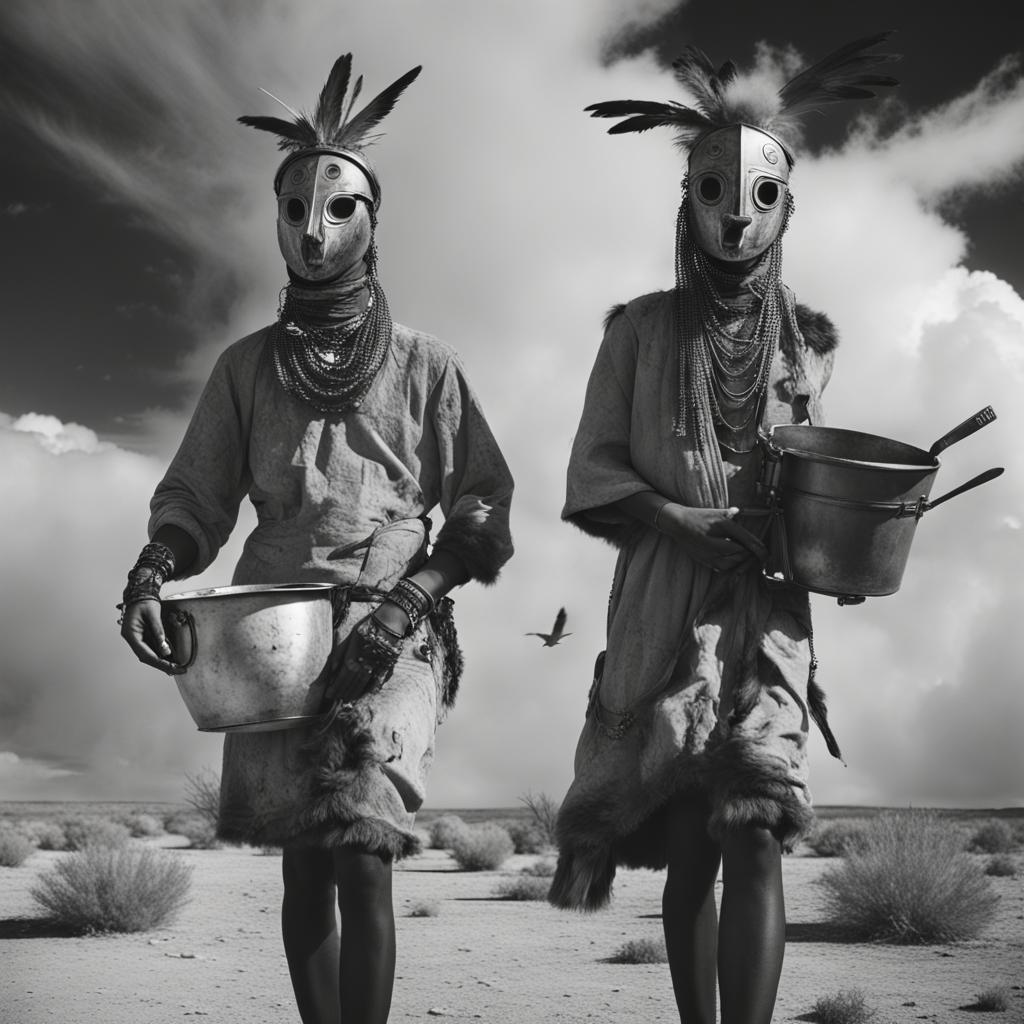
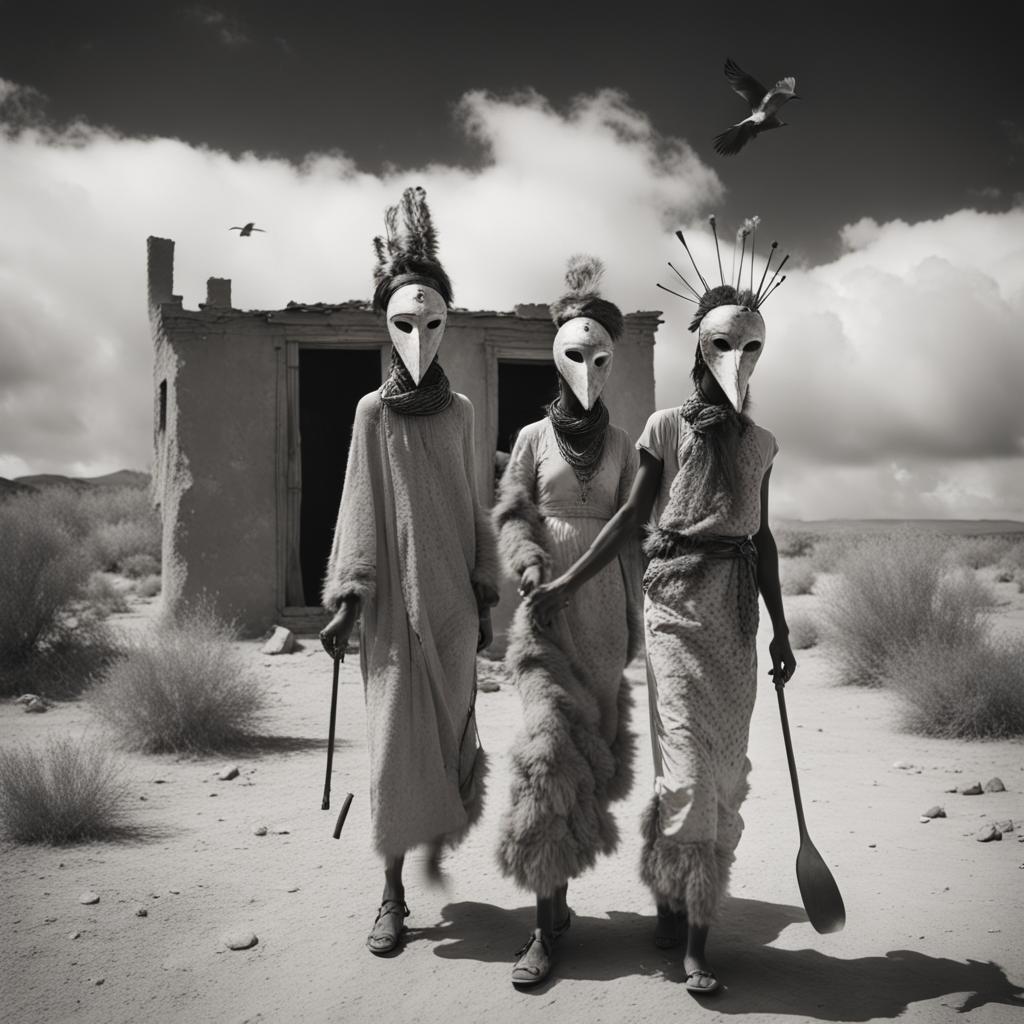
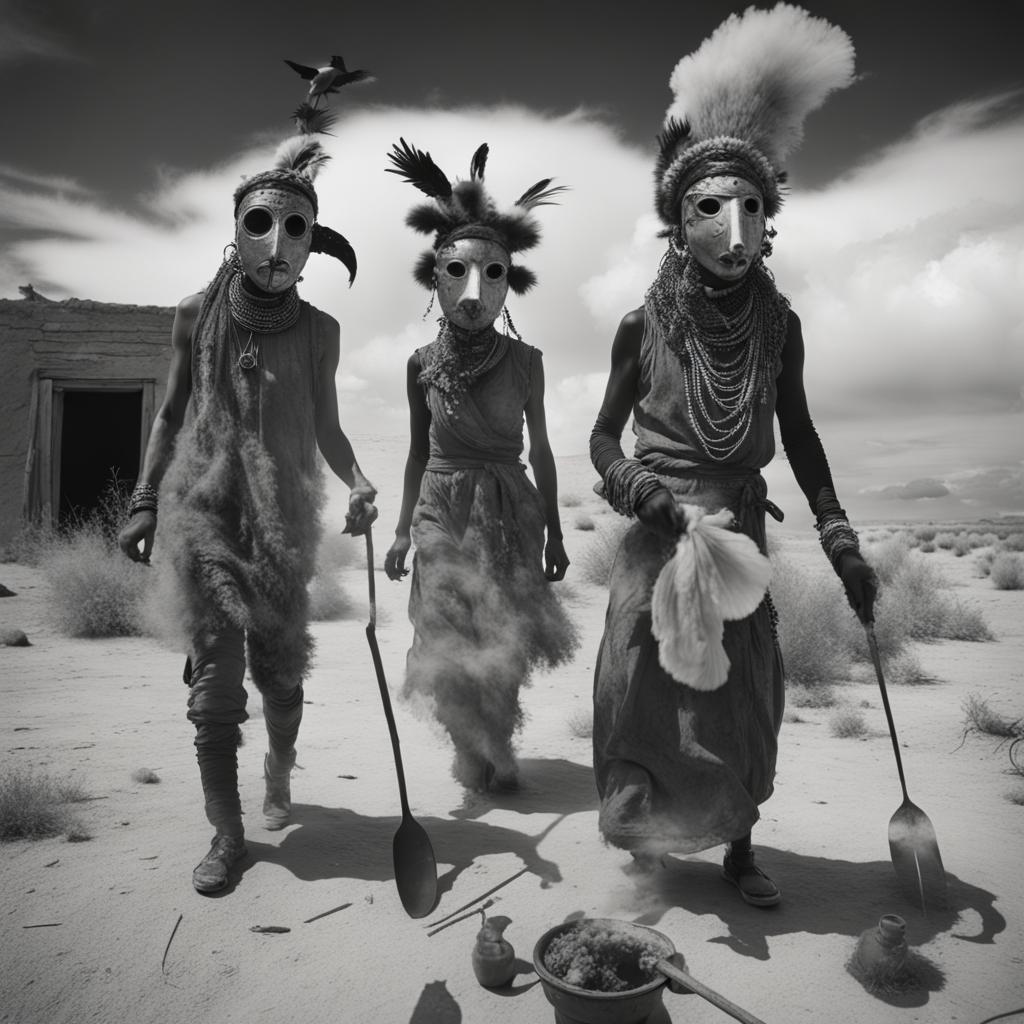
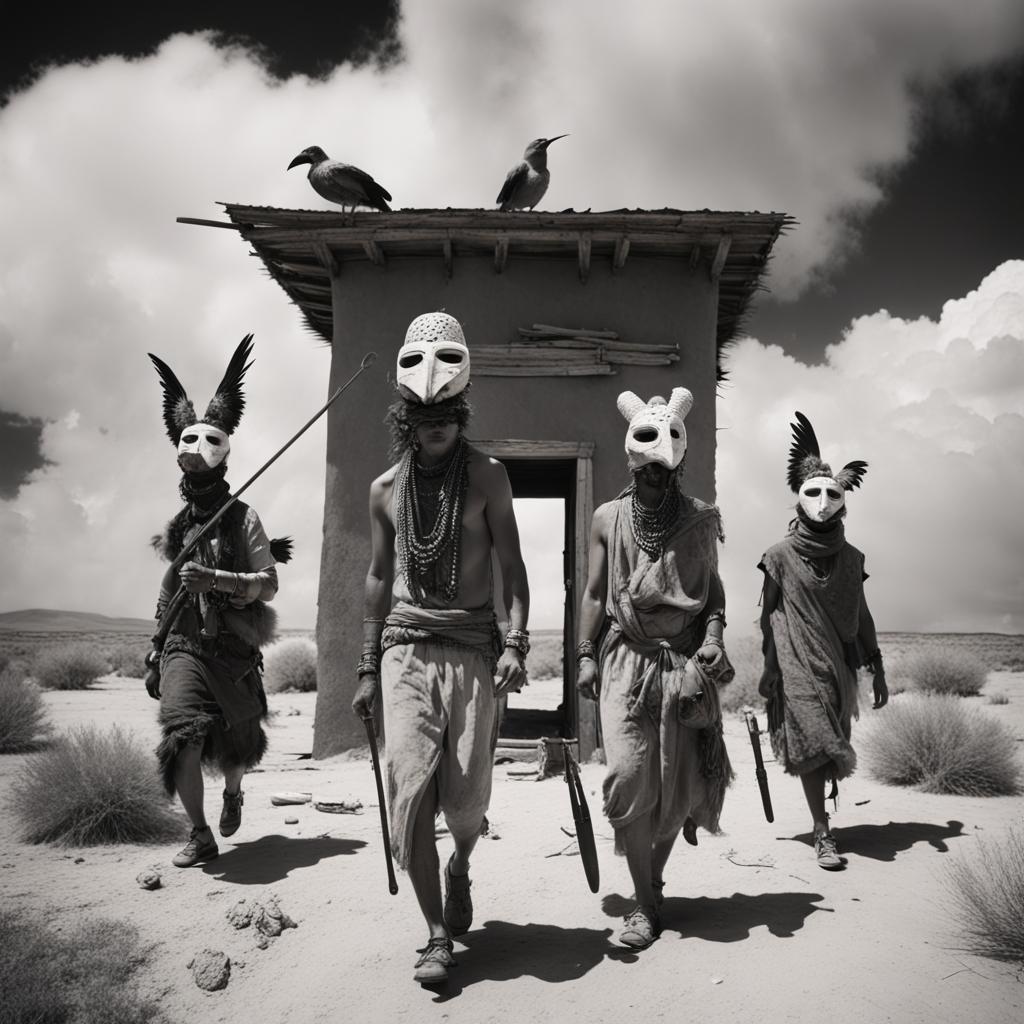
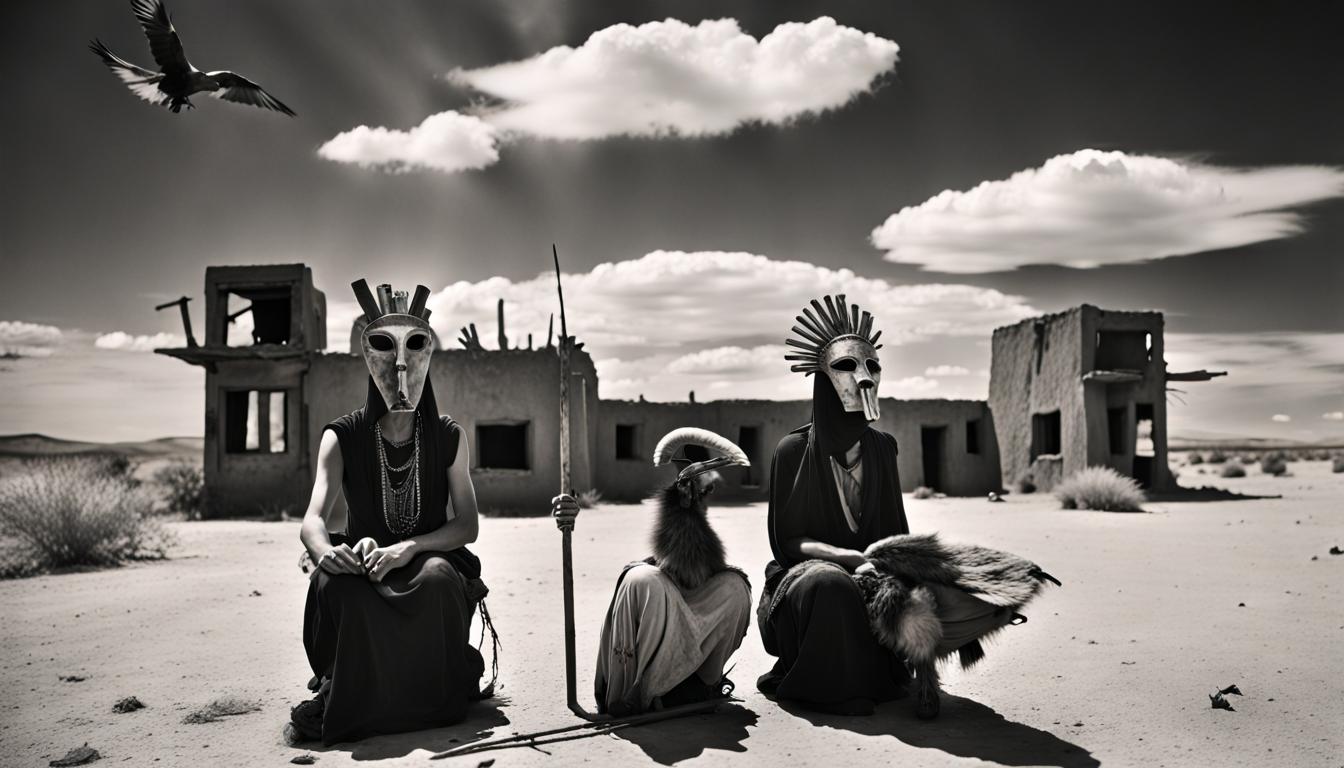
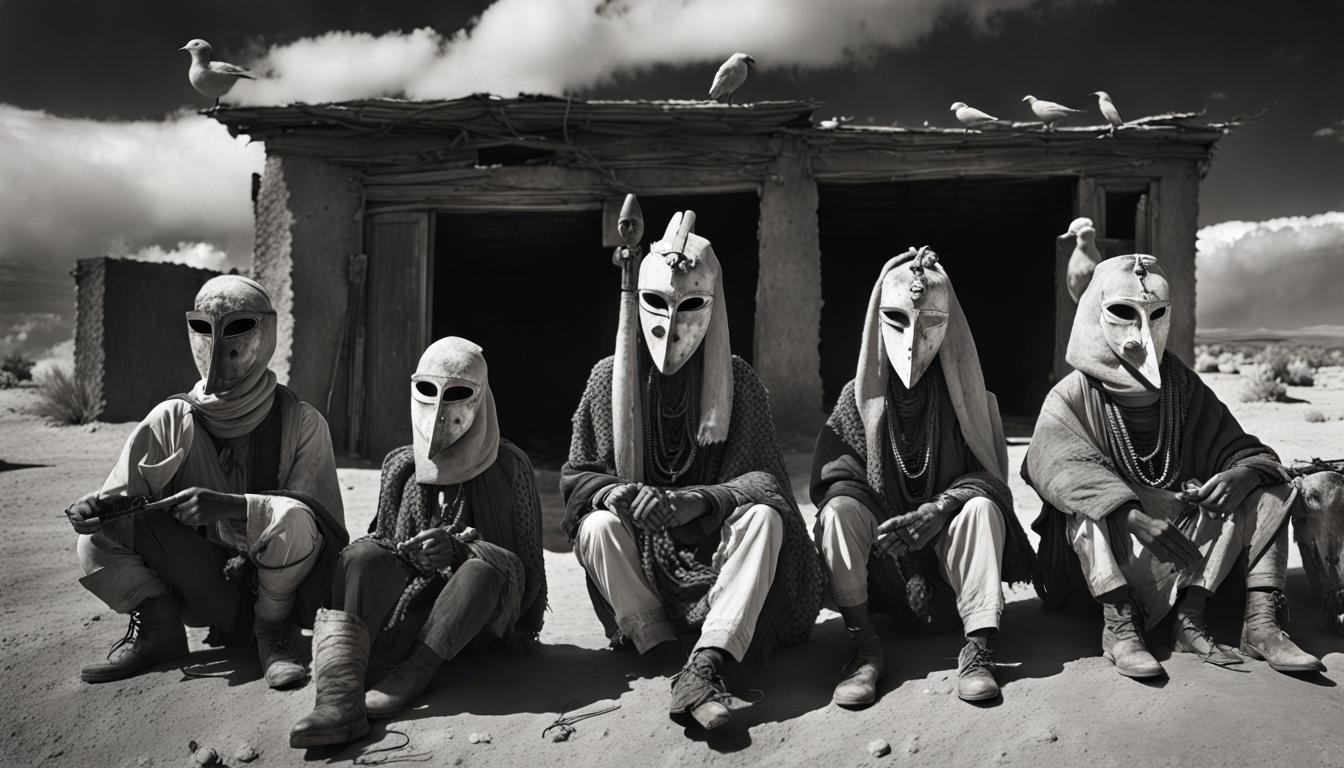
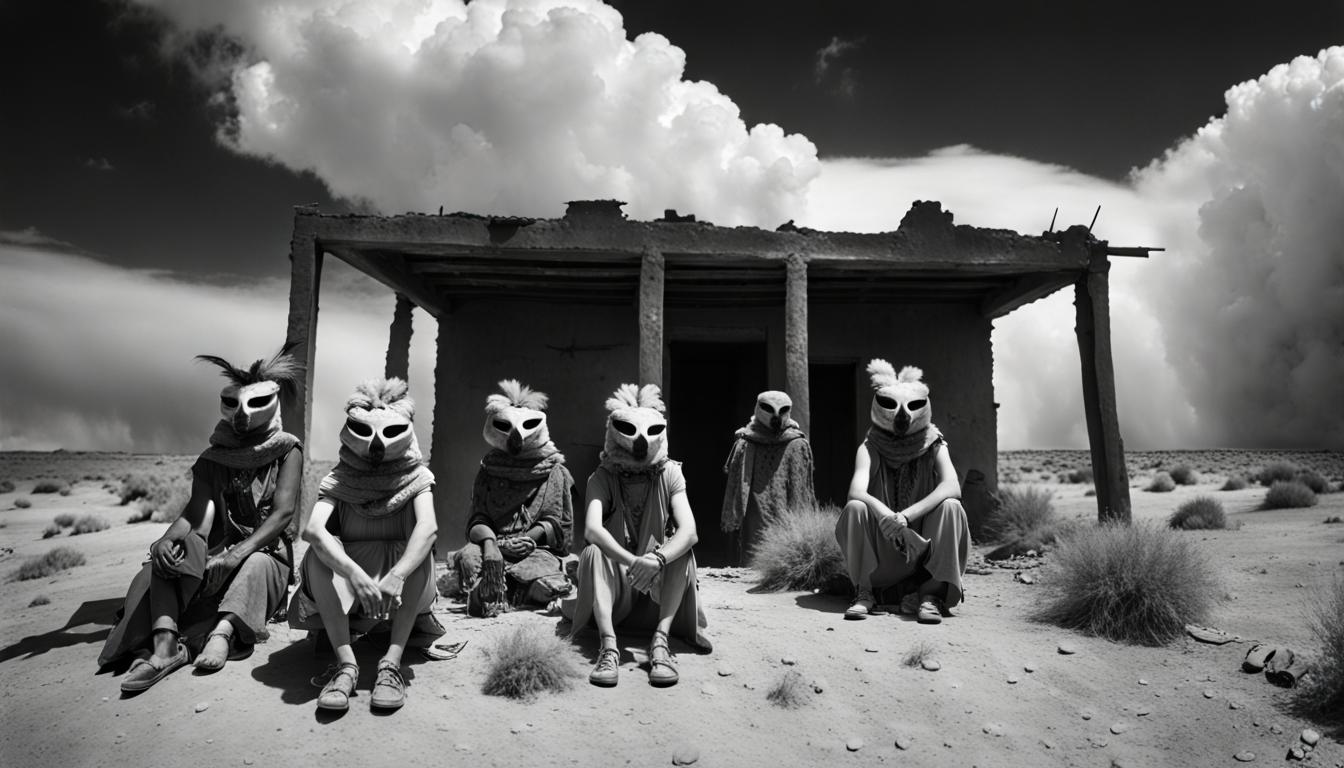
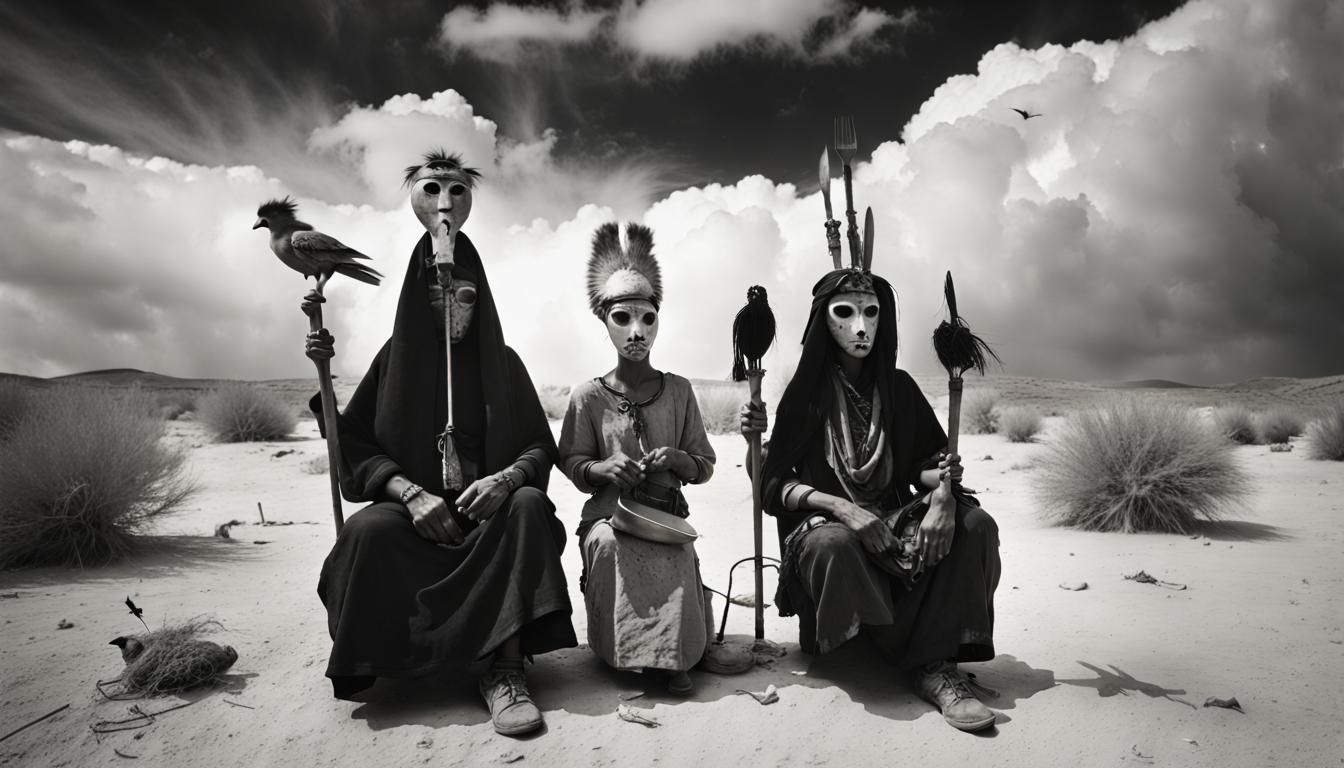
The Kalahari Desert Bird People are imagined as a community deeply connected to the land and its avian inhabitants. They are known for their intricate weaving techniques, not only in constructing nests but also in creating textiles. The white-browed sparrow weaver, famous for its elaborate nests, serves as a symbol of community and craftsmanship. The Bird People have adopted these principles, emphasizing collaboration and creativity in their textile arts.






Symbolism and Storytelling
The Bird People are also known for their storytelling traditions, which are woven into their textiles. Each piece of clothing tells a story, often depicting scenes from nature or cultural myths. This narrative approach to fashion resonates with modern consumers who seek deeper connections with the garments they wear. Designers today often incorporate storytelling elements into their collections, using clothing as a medium to express cultural heritage and personal identity.
Animal Spirit Guides: a meditation in the DreamRoom
The Bird People view birds as powerful spirit guides, embodying traits such as freedom, perspective, and intuition. Each species of bird is believed to carry distinct messages and teachings that resonate with the community’s experiences and challenges. For example:
- Eagles symbolize vision, wisdom, and strength, encouraging the Bird People to take responsibility for their actions and to embrace new beginnings.
- Hawks are associated with intuition and higher vision, guiding individuals to expand their awareness and make informed decisions.
- Owls represent wisdom and knowledge, often appearing during times of confusion to offer clarity.
They believe that during sleep or in moments of deep introspection, the spirit world can communicate with them more directly. Significant dreams or visions involving their spirit animals are interpreted as important signs or lessons.
Impact on Sustainable Fashion
The Kalahari Desert People emphasize sustainability through their practices, which has influenced the growing movement towards eco-friendly fashion. Their use of locally sourced materials and traditional techniques serves as a model for contemporary brands aiming to reduce their environmental impact. This commitment to sustainability is increasingly important in the fashion industry, as consumers become more aware of the ecological consequences of their choices.
 rudidebleser